Z Type Clevis
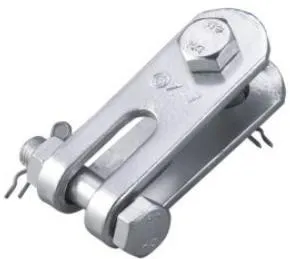
Models: Z-7 – Z-42150 (two tables, 18 lines) · Nominal Failure Load: 70–600 kN · Reference Weight: 0.70–19.60 kg
Two Tables, One Range
The first table is the same twelve lines as the Y clevis page — 70 to 250 kN in two number systems. The second table is the heavy range, 250 to 600 kN, and it is drawn separately because those parts are a different class: the top size weighs 19.6 kg.
Z-25 Is Two Different Parts
Read the two tables together and the same model number comes up twice, at the same rating:
| C1 | C2 | M | H | Load | Weight | |
|---|---|---|---|---|---|---|
| Z-25 in table 1 | 33 | 33 | 30 | 120 | 250 kN | 4.80 kg |
| Z-25 in table 2 | 34 | 34 | 30 | 100 | 250 kN | 2.80 kg |
A millimetre wider, twenty millimetres shorter, and two kilograms lighter. Both are 250 kN, both are called Z-25, and they are not the same part.
Never quote “Z-25” on its own. Give the height — 100 or 120 mm — or the weight, and the right one is picked. Getting it wrong is a 2 kg error per piece and a part that sits at the wrong level in the string.
The Design Numbers Are the Heavier Build
Table 2 carries four model numbers and two design numbers, and at the same rating they do not agree:
| Rating | Model line | Design line |
|---|---|---|
| 300 / 320 kN | Z-30: C 38, 5.4 kg | Z-32135: C 32, 8.0 kg |
| 400 / 420 kN | Z-40: C 42, 8.6 kg | Z-42150: C 36, 8.4 kg |
The 320 kN design part has a 6 mm narrower mouth than the 300 kN model part and still weighs 2.6 kg more — that extra mass is not in the mouth, so it is in the section the table does not publish. And the 420 kN part is lighter than the 400 kN one by 0.2 kg.
Neither of those is explicable from the columns. For the 300 kN and above sizes, ask us for the drawing and the weight of the exact number before you tender.
The Top of the Range
Z-60 is 600 kN at 19.6 kg with a 50 mm mouth and a 48 mm bolt. That is 2.3× the weight of the 400 kN part for 1.5× the load — the point where a clevis stops being a forging and becomes a casting. If you are pricing a 600 kN string by tonnage, this single part will dominate the bill.
Technical Parameters
70 to 250 kN
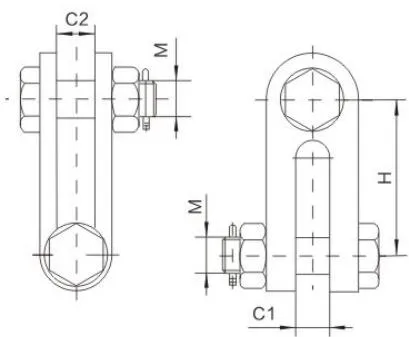
| General Design No. | Model | Main Dimensions (mm) | Nominal Failure Load (kN) | Reference Weight (kg) | |||
|---|---|---|---|---|---|---|---|
| C1 | C2 | M | H | ||||
| Z-7 | 20 | 20 | 16 | 80 | 70 | 0.70 | |
| Z-10 | 20 | 20 | 18 | 80 | 100 | 1.00 | |
| Z-12 | 24 | 24 | 22 | 100 | 120 | 1.80 | |
| Z-16 | 26 | 26 | 24 | 100 | 160 | 2.38 | |
| Z-21 | 30 | 30 | 27 | 120 | 210 | 3.50 | |
| Z-25 | 33 | 33 | 30 | 120 | 250 | 4.80 | |
| Z-0780 | 20 | 20 | 16 | 80 | 70 | 0.70 | |
| Z-1080 | 20 | 20 | 18 | 80 | 100 | 1.00 | |
| Z-12100 | 20 | 24 | 22 | 100 | 120 | 1.80 | |
| Z-16100 | 22 | 26 | 24 | 100 | 160 | 2.90 | |
| Z-21100 | 24 | 26 | 24 | 100 | 210 | 3.40 | |
| Z-25110 | 28 | 30 | 27 | 110 | 250 | 3.80 | |
250 to 600 kN
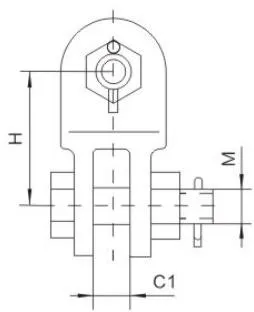
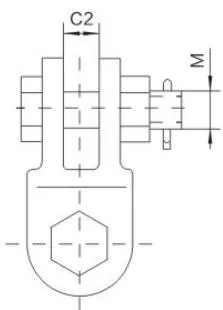
| General Design No. | Model | Main Dimensions (mm) | Nominal Failure Load (kN) | Reference Weight (kg) | |||
|---|---|---|---|---|---|---|---|
| C1 | C2 | M | H | ||||
| Z-25 | 34 | 34 | 30 | 100 | 250 | 2.8 | |
| Z-30 | 38 | 38 | 36 | 135 | 300 | 5.4 | |
| Z-40 | 42 | 42 | 36 | 150 | 400 | 8.6 | |
| Z-60 | 50 | 50 | 48 | 180 | 600 | 19.6 | |
| Z-32135 | 32 | 32 | 30 | 135 | 320 | 8.0 | |
| Z-42150 | 36 | 36 | 36 | 150 | 420 | 8.4 | |
Related Pages
The same table without the heavy range: Y clevis. Single-bolt version: ZS type clevis. Cross clevises: SZ single, LSZ double. Plate clevises: P, PS, PD.
Note: Z-25 exists twice — H 120 at 4.80 kg in the first table and H 100 at 2.80 kg in the second — so quote the height with the number. In the heavy range the design-number parts are the heavier build: Z-32135 is 2.6 kg heavier than Z-30 on a narrower mouth.